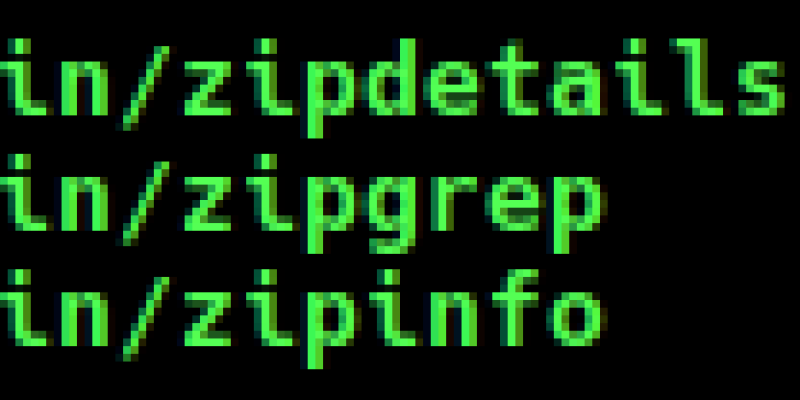
Sometimes we need to read the content of compressed files without extracting them, especially when dealing with large documents like plain text logs. In this case the amount of time and resources taken for decompression can be bothersome. The appropriate tools are located in /bin directory :
ls /b...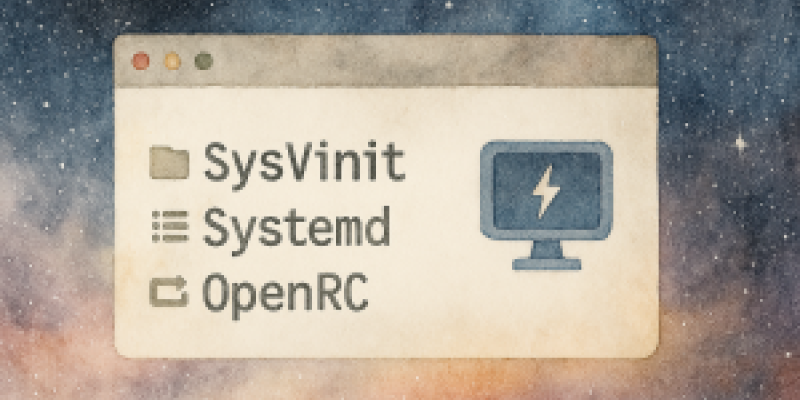
Init, short for "initialization," is the first process the Linux kernel starts after booting. It is responsible for bringing the system to a usable state by starting system processes, running startup scripts, and managing runlevels. SysvInit, Systemd, and OpenRC are the different and most used init...

dmesg command displays messages retrieved from the kernel ring buffer during boot. It contains a lot of useful informations about hardware, kernel modules and device drivers. In case of hardware failure, the dmesg gives all required informations. It is frequently combined with commands such as grep,...
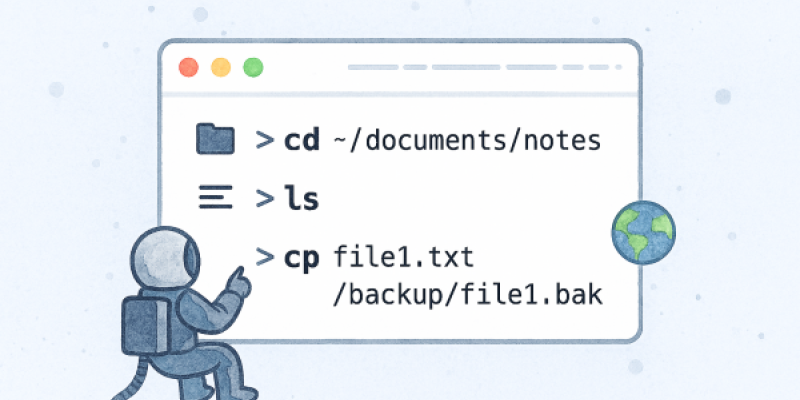
This bash tip can be useful when you frequently use two commands back-to-back. Most used commands are probably cd & ls and cp /mv and cd.
1. cd and ls in one command
Open .bashrc :
nano ~/.bashrcAdd the following function at the end:
cds() {
        cd "$@" && ls;
}
After modifying .bas...
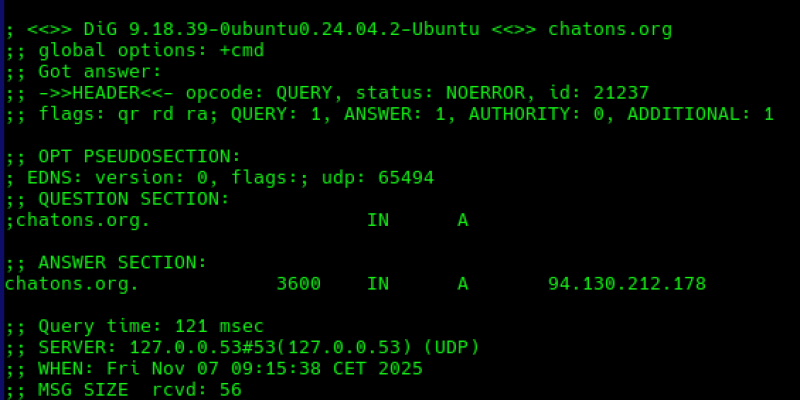
The dig command, short for "domain information groper," is used for querying DNS (Domain Name System) name servers. It can perform :
- DNS lookups and displays the answers returned from the queried name server(s).
- Query Specific Record Types such as MX (Mail Exchanger) records for email servers...
About Me

aedes: The sanctuary in Latin language. This website is related to my fields of interrest...
Gallery




social




Translate